
Capers are among the products most closely associated with Pantelleria and Sicilian agricultural tradition. Renda’s selection brings together Pantelleria capers PGI, cucunci and caper leaves, three different parts of the same plant, each with its own characteristics and uses. From flower buds preserved in salt to the fleshier fruits and the leaves, the category offers different textures and flavours linked to one of the symbolic products of Mediterranean Sicily.
Buy Pantelleria capers online: authentic Mediterranean flavours
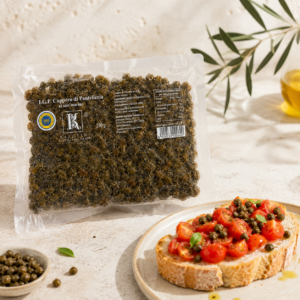 Pantelleria is one of the Sicilian territories most closely associated with caper cultivation. The island’s climate, wind and volcanic landscape have helped make this plant an integral part of its gastronomic identity. Pantelleria capers are deeply connected with the local territory, and have been used for generations in the island’s cuisine and more broadly in Sicilian culinary tradition.
Renda’s selection includes Pantelleria capers PGI, cucunci and caper leaves. Three products with different shapes, textures and uses, united by an intense aromatic profile and the ability to add character to a wide range of Mediterranean dishes.
Pantelleria products selected for you
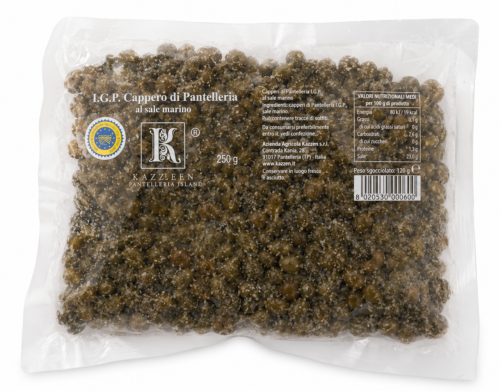
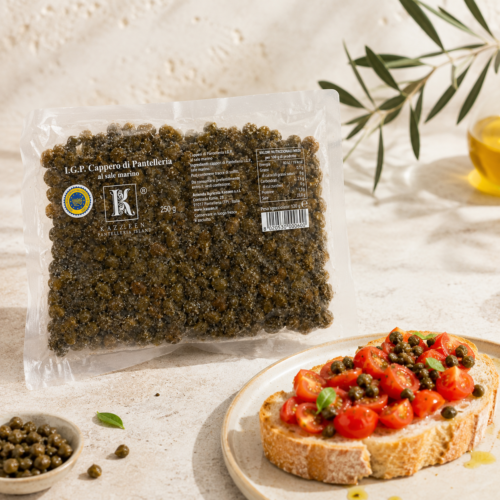
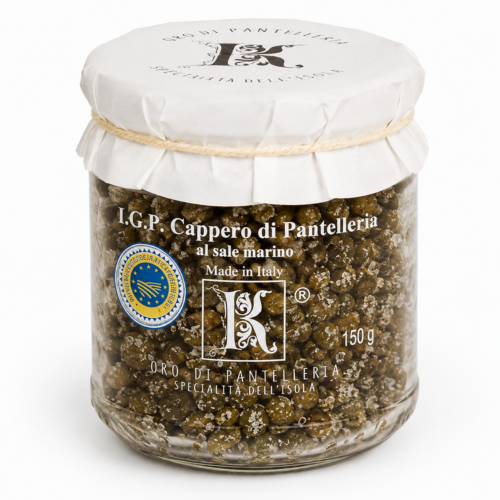
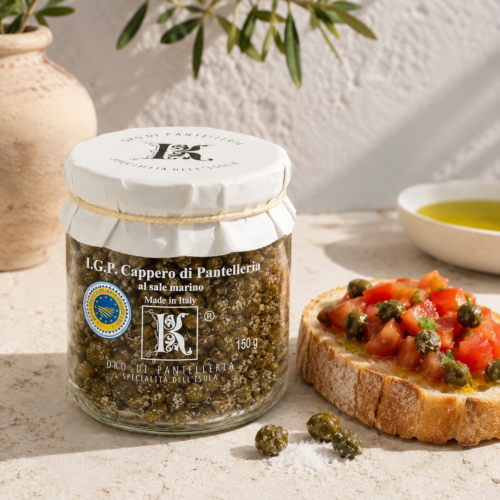
Pantelleria capers PGI are the unopened flower buds of the caper plant. They are traditionally preserved in salt and should be desalted before use. They are the most versatile product in the category, suitable for sauces, salads, fish, meat, vegetables, pizza and many Sicilian recipes.
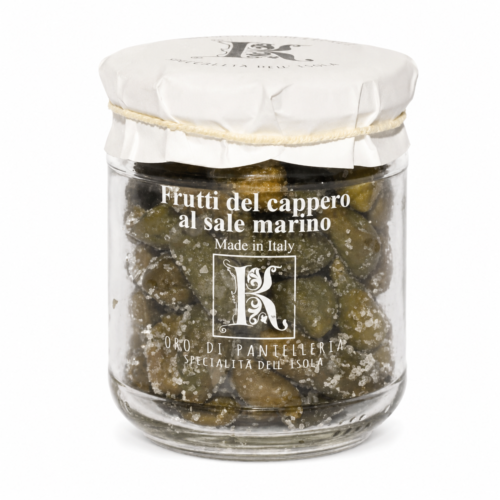
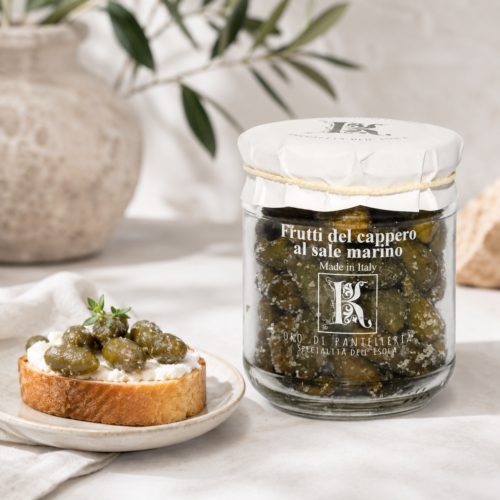
Pantelleria cucunci are the fruits that develop after flowering. They are larger and fleshier than capers and have a completely different texture. They are particularly suitable for starters and aperitifs, but can also be used in salads and as an accompaniment to Mediterranean dishes.
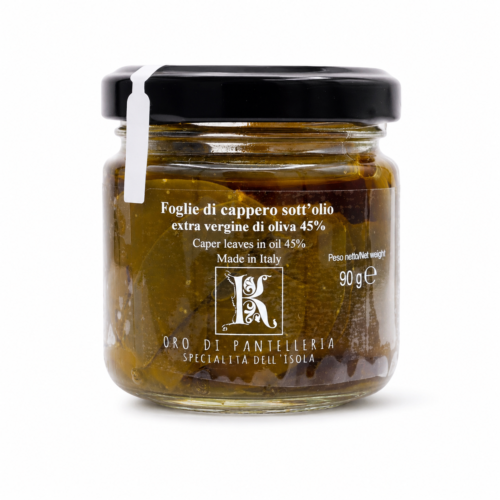
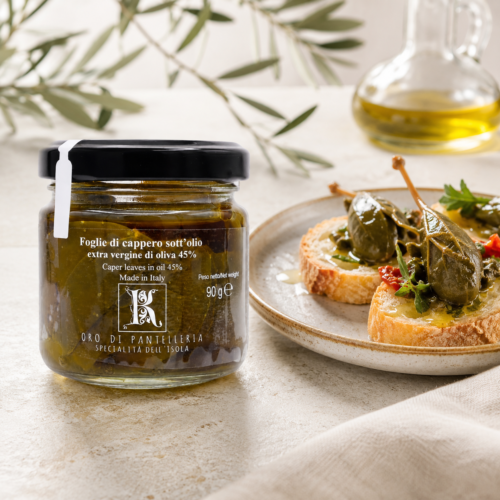
Pantelleria caper leaves offer a less common way to use the same plant. They can be used to finish starters, fish dishes, salads and more creative preparations. Their shape and texture add an original element to the dish, while maintaining a strong connection with Pantelleria.
Capers, cucunci and leaves: which should you choose?
The main difference lies in the part of the plant and the intended use. Capers are the best choice for seasoning and cooking, thanks to their small size and the ease with which they can be distributed throughout a dish.
Cucunci are more suitable when a fleshier texture and a product that can be served whole are desired, while the leaves work especially well as an accompaniment or finishing element. Each product therefore offers a different experience, while retaining the characteristic aromatic profile of the caper plant.
How to use capers in Sicilian cuisine
Capers pair naturally with many ingredients commonly found in Sicilian cuisine. Tomatoes, olives, tuna, anchovies, fish, aubergines and extra virgin olive oil are among the most immediate combinations. Their savoury, aromatic flavour adds character to recipes, often without the need for many additional seasonings.
They can be used in pasta sauces, salads, on pizza, in fish dishes or with grilled vegetables and preserves. When preserved in salt, they should be desalted before use according to the desired level of saltiness. Proper preparation makes their intensity easier to control.
Cucunci and leaves are instead particularly suitable for starters, cold dishes and more creative presentations. The same plant can therefore accompany a meal in very different ways, from seasoning to the final finishing touch.
Pantelleria and the caper tradition
Capers are an integral part of Pantelleria’s agricultural landscape, where they are grown under distinctive environmental conditions and harvested by hand during the production season. They are one of the products that best express the relationship between agriculture and the Pantelleria territory, alongside other specialities typical of the island.
The presence of Pantelleria capers PGI confirms the importance of this production within Sicilian gastronomy. Pantelleria has transformed a Mediterranean plant into a true gastronomic symbol, now used both in traditional recipes and contemporary cooking.