
Sicilian honey is one of the products most closely connected with the land, seasonal blossoms and the work of bees. Renda’s selection brings together thistle honey, multifloral honeycomb honey, balsamic honey and flower pollen, four specialities with different textures, flavours and uses. From breakfast and cheese pairings to desserts and more creative preparations, the category offers different expressions of Sicilian beekeeping and its natural flavours.
“Honeycomb honey” has been added to your basket. View basket

Buy Sicilian honey online: blossoms, nature and authentic flavours
 Honey can vary greatly depending on the blossoms, the territory and the harvesting period. Each variety can express different aromas and characteristics, making honey much more than a simple sweet ingredient. In Sicilian cuisine it can be enjoyed at breakfast, used in desserts, paired with cheeses and incorporated into both traditional and contemporary recipes.
Renda’s selection includes products that differ in origin, structure and use. Honey, honeycomb and pollen offer different ways to explore the world of the hive, moving from the creamy or fluid texture of honey to the natural structure of honeycomb and the small granules of pollen.
Hive specialities selected for you
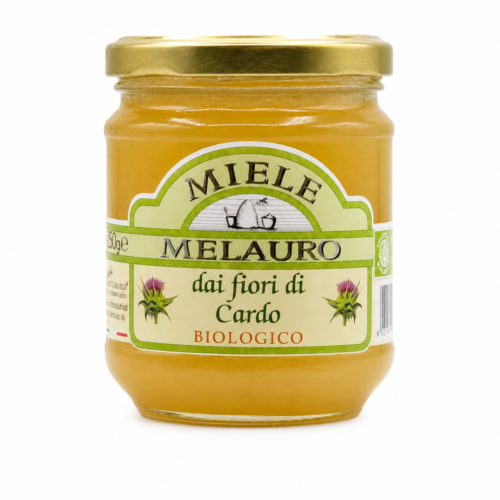
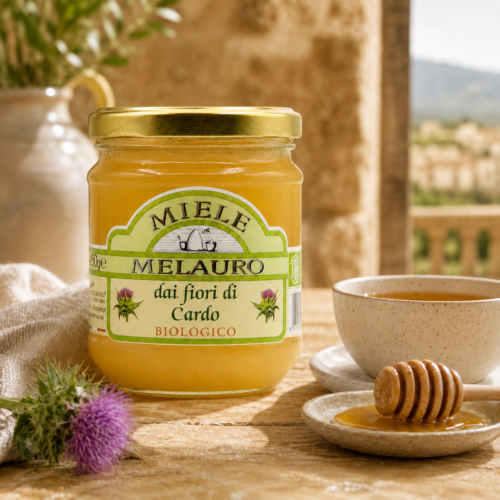
Thistle honey has a distinctive aromatic flavour linked to the wild blossoms typical of the Mediterranean landscape. It is one of the most characteristic expressions of Sicilian beekeeping, suitable for enjoying on bread, in yoghurt, with cheese or as an ingredient in desserts and homemade preparations.
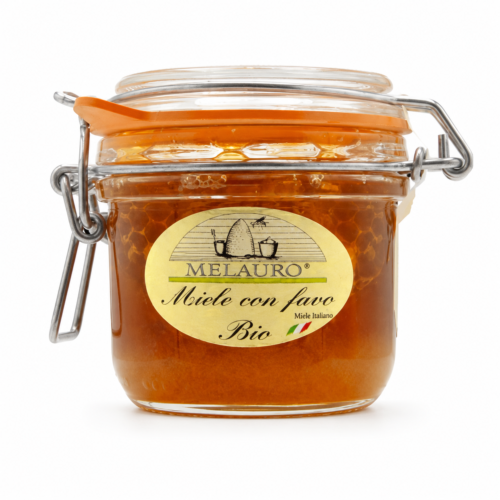
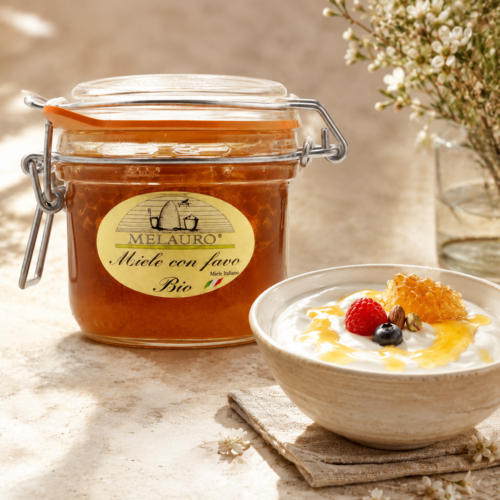
Multifloral honeycomb honey contains a section of natural honeycomb inside the jar. Honey and the wax comb built by the bees are presented together, creating a completely different texture from traditional honey. It is the most direct way to experience honeycomb in its natural form, enjoyed in small pieces together with the honey.
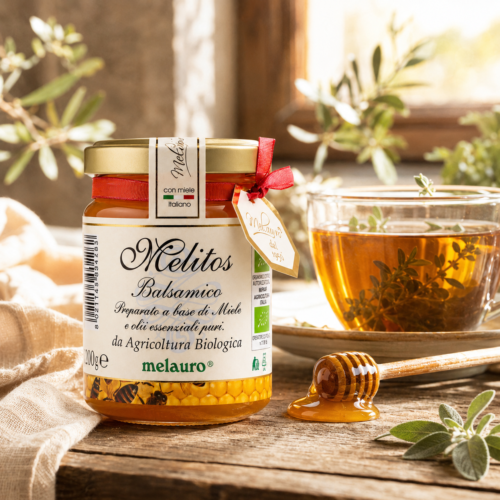
Balsamic honey offers a different and more complex aromatic profile. It can be enjoyed on its own or used in hot drinks and preparations where sweetness and stronger aromas are desired. Its distinctive character sets it apart from more traditional varieties, making it a more unusual choice within the category.
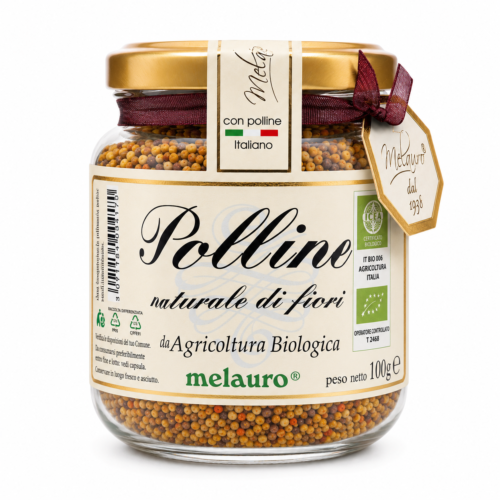
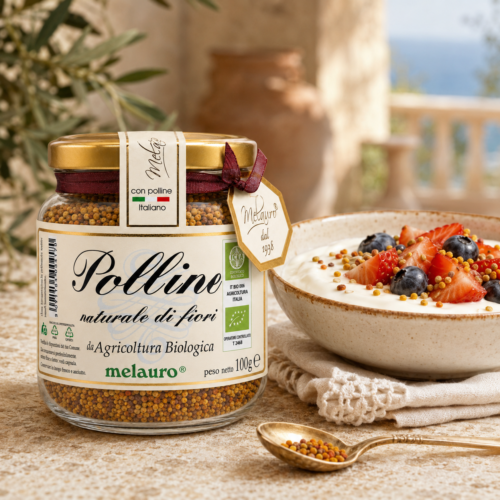
Flower pollen completes the selection with a completely different texture. It comes in small granules and can be added to yoghurt, fruit, cereals and other preparations. It offers another way to discover the products of the hive, differing from honey in both structure and use.
Which honey should you choose?
Those looking for a honey suitable for everyday use can choose thistle honey, which works well both at breakfast and in pairings with other foods. Its aromatic flavour makes it particularly versatile, without limiting it exclusively to sweet preparations.
Honeycomb honey is better suited to those who want to try a more unusual texture and experience the product in a form closer to the hive. Balsamic honey offers a more intense profile, while pollen represents a completely different choice. Each speciality therefore offers a different experience, rather than simply a different flavour.
How to use honey in the kitchen
Honey can be enjoyed at many different times of the day. On bread, in yoghurt or with fruit it is a simple breakfast choice, while in cooking it can be used in desserts, doughs, creams and dressings. Its versatility also makes it suitable for savoury pairings, especially with cheeses and more intensely flavoured dishes.
Thistle honey can accompany fresh or mature cheeses, while honeycomb honey can be served on a sharing board with dried fruit and bread. Mediterranean pairings highlight the different textures, creating contrasts between sweetness, savoury notes and aromatic flavours.
Balsamic honey can be used in small quantities when a stronger aromatic profile is desired, while pollen can be added to yoghurt, fruit salads or cereals. Each product therefore has its own place in the kitchen, rather than being used in exactly the same way.
Honey and Sicilian beekeeping tradition
Sicily offers a great variety of environments, wild blossoms and agricultural landscapes, all of which contribute to the richness of its beekeeping tradition. Honey reflects the territory through its blossoms, transforming nectar and the work of bees into a product closely connected with seasonality and the local environment.
From thistle honey to multifloral honeycomb honey, Renda’s selection highlights some of the most interesting expressions of this world. A category that brings together nature, territory and Sicilian gastronomy, with products suitable for breakfast, cooking and more refined pairings.