
Sicilian salt tells the story of two very different landscapes: the salt pans of the western coast and the mineral deposits of the interior. Renda’s selection brings together sea salts and rock salts from Trapani, Mozia, Racalmuto, Petralia and Realmonte, with different grain sizes and textures suited to everyday cooking and finishing dishes. From Trapani sea salt PGI and salt crystals to Sicilian mineral salts, each product offers different characteristics and uses.


Buy Sicilian salt online: from coastal salt pans to inland mines
 In Sicily, salt comes from two completely different environments. Along the western coast, it is produced through the evaporation of seawater in salt pans, while inland it is extracted from ancient rock salt deposits. Sea and underground deposits have created two distinct salt traditions, both deeply connected with the island’s territory.
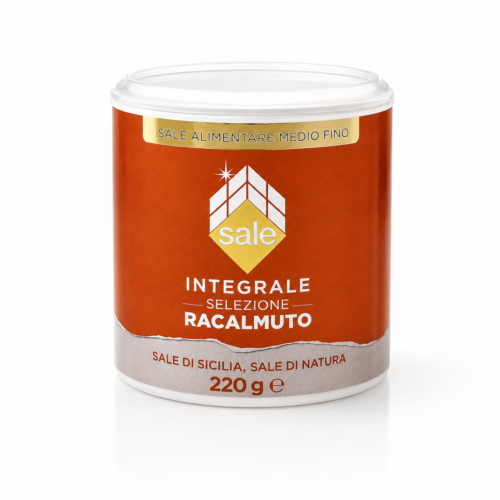
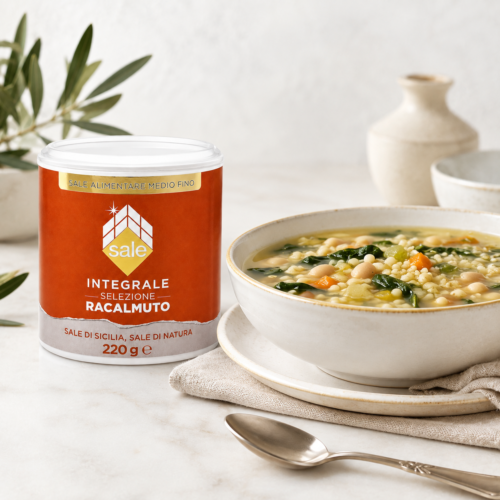
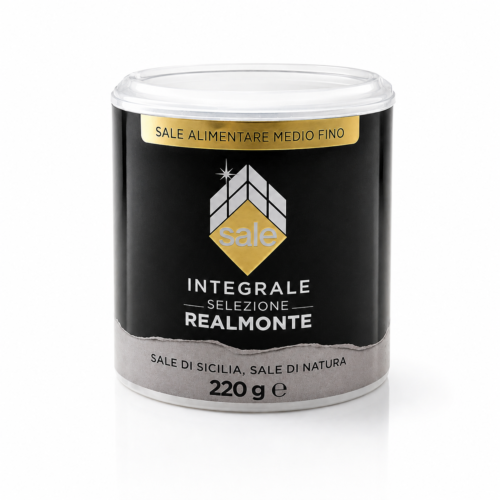
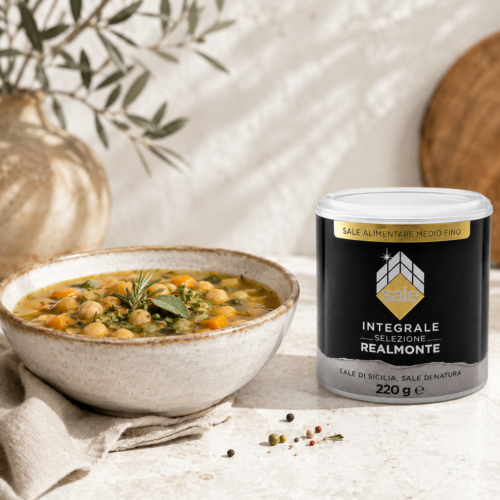
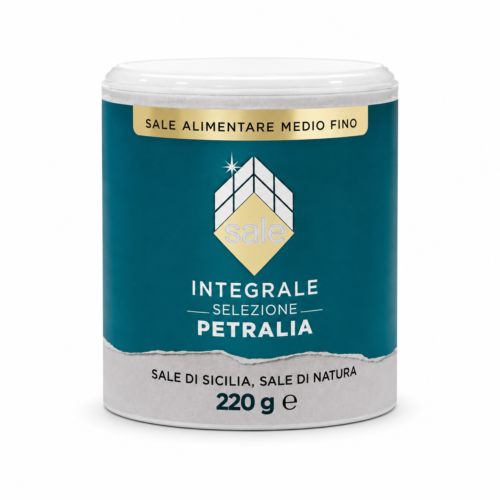
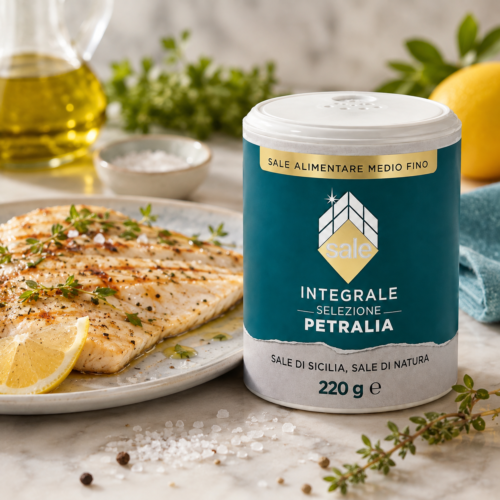
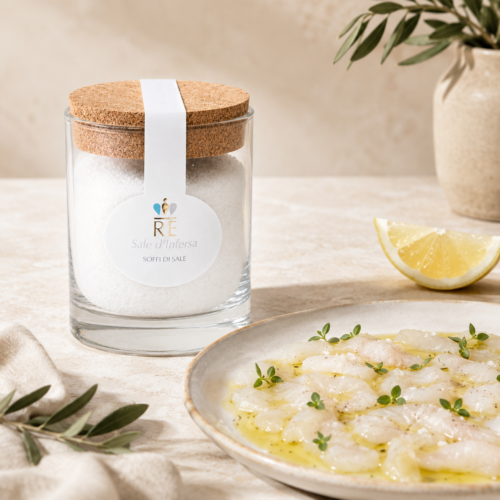
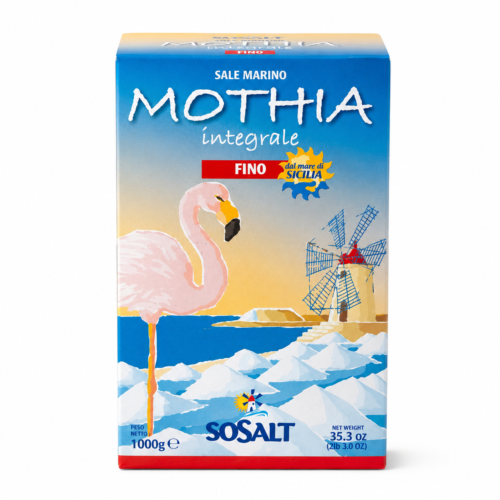
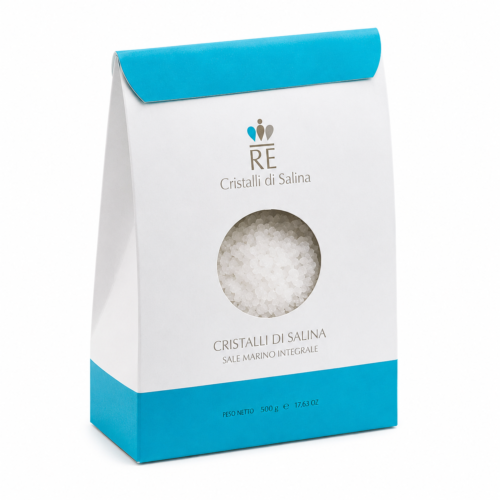
Renda’s selection includes Trapani sea salt PGI, fine Mozia salt, salt crystals, Soffi di Sale and salts from Racalmuto, Petralia and Realmonte. Different formats and textures make it possible to choose salt according to its use, from everyday cooking to finishing meat, fish, vegetables and focaccia.
Sicilian salts selected for you
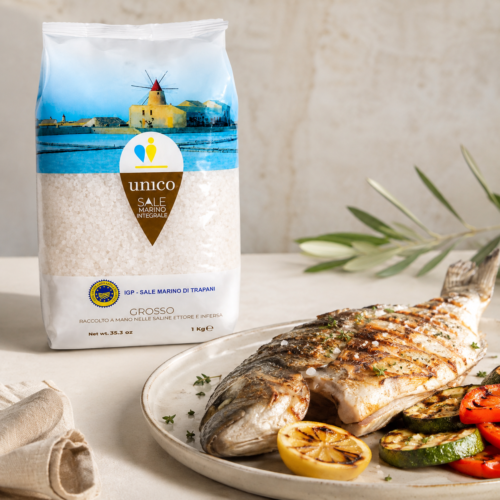
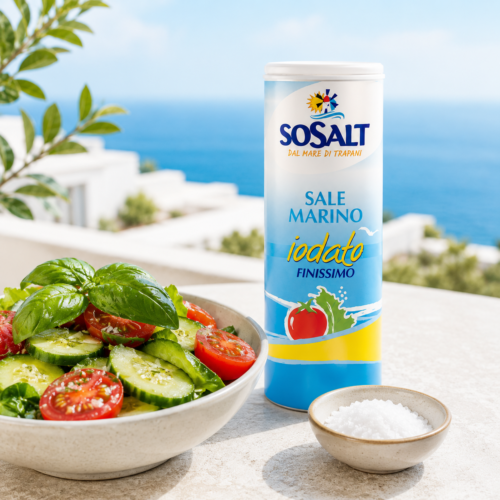
Trapani sea salt PGI is one of the most characteristic products of western Sicily. It comes from the salt pans of the Trapani area and is suitable for many different uses in the kitchen. It is a versatile salt for everyday cooking, from pasta and vegetables to meat and fish dishes.
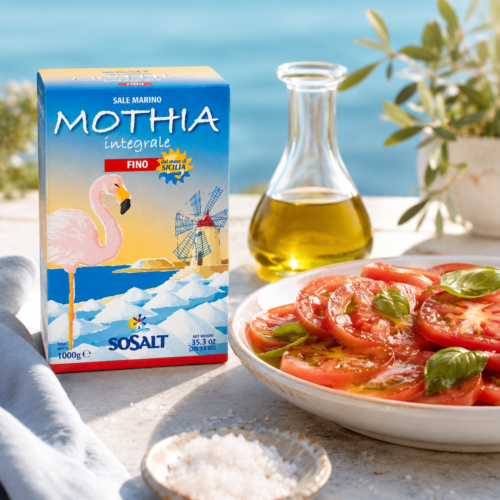
Fine Mozia salt is closely connected with the landscape of the Stagnone di Marsala salt pans. Its fine grain makes it easy to distribute during food preparation. It is particularly practical for seasoning and cooking, when an evenly distributed and easy-to-dose salt is required.
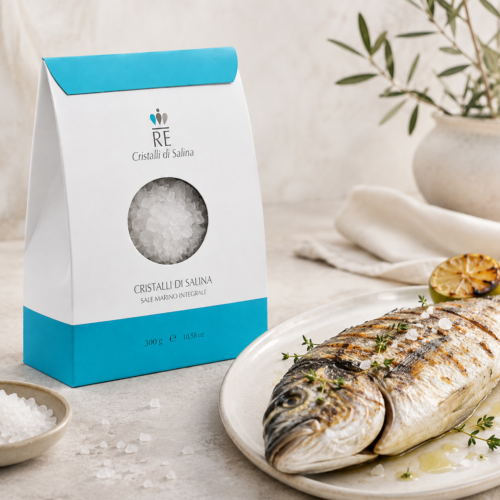
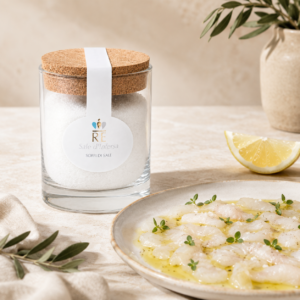
Salt crystals have a more noticeable structure. They can be used mainly at the end of preparation, when the texture of the salt should remain perceptible. They are particularly suitable for finishing dishes, especially meat, fish, vegetables and focaccia.
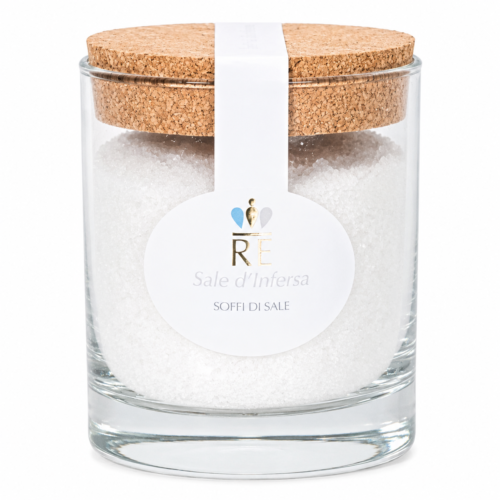
Soffi di Sale have a lighter texture than traditional salt crystals. They are mainly added directly to the finished dish, where they can complete the preparation without dominating its texture. Their lightness makes them ideal as a finishing touch, even on very simple recipes.
The salts of Racalmuto, Petralia and Realmonte come instead from Sicily’s mineral deposits. They are naturally dry and can be found in different grain sizes suited to various uses. They represent the island’s other major source of salt, the rock salt preserved beneath the ground.
Sea salt or rock salt: which should you choose?
The main difference is their origin. Sea salt comes from seawater and is produced in salt pans, while rock salt is extracted from underground deposits. The choice depends mainly on the intended use and desired texture, rather than on finding a single salt suitable for every recipe.
Fine or medium-fine salts are practical for everyday cooking because they are easy to dose during preparation. Crystals and Soffi di Sale are more suitable for the final stage of a dish. Grain size can change the way salt is perceived, especially when it remains visible and noticeable on the finished plate.
How to use salt in the kitchen
For pasta, vegetables, pulses, meat and fish, fine salt makes it easy to control seasoning during preparation. In baked goods, it can be incorporated into the dough or sprinkled over the surface. The simplest format is often also the most versatile, as it can be used in many Sicilian and Mediterranean recipes.
When salt is used as a finishing ingredient, texture becomes more important. Crystals and lighter salts can add a noticeable element to the bite and create contrast with softer ingredients. Salt therefore becomes part of the texture of the dish, rather than simply an ingredient used during cooking.
Grilled fish, meat, tomatoes, vegetables and focaccia are some of the dishes where a finishing salt can be particularly noticeable. Small quantities make the final result easier to control, especially when using more structured or concentrated formats.
Salt pans and mines: two landscapes of Sicilian salt
The salt pans of Trapani and Mozia form one of the most recognisable landscapes of western Sicily, shaped by water, sun and wind. The salt-making tradition is deeply connected with the Trapani coast, where salt production forms part of the history and identity of the territory.
Racalmuto, Petralia and Realmonte reveal a different, underground Sicily characterised by important rock salt deposits. Salt pans and mines show two completely different origins of the same ingredient, allowing Renda’s selection to bring together several expressions of Sicilian salt within a single category.